
Aviation Operations & Regulatory Environment
This section examines operational, regulatory, and technical frameworks that shape how aviation activities are conducted and how aircraft accidents are investigated. Topics include flight operations structures, certification systems, maintenance and inspection regimes, air traffic control procedures, and the interaction between federal safety oversight and civil litigation.
Aviation accidents rarely arise from a single isolated event. They often involve the convergence of operational decision-making, aircraft systems performance, regulatory compliance, and environmental conditions. Understanding how these elements function within the broader aviation regulatory environment is essential to evaluating accident causation, investigative findings, and the legal issues that may follow.
Articles in this archive are written from an investigative and litigation-aware perspective. They are intended to provide structured background for journalists, referring attorneys, aviation professionals, and others seeking to understand how operational practices and federal regulatory frameworks influence accident analysis and aviation litigation. Readers seeking a broader overview of how accident cases proceed may also consult the firm’s Aviation Accident Litigation page and its explanation of the NTSB investigation process.
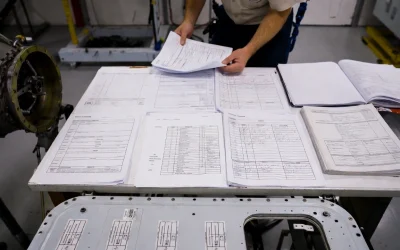
Airworthiness Directives, Service Bulletins, and Continuing Airworthiness
This article examines the legal and evidentiary role of Airworthiness Directives, Service Bulletins, and continuing airworthiness in aviation litigation. It explains how these materials affect notice, compliance, causation analysis, and the allocation of responsibility in technically complex aircraft cases.

Operational Control in Private, Charter, and Managed Aircraft Flights
Operational control is often the decisive issue in cases involving privately operated, chartered, and managed aircraft. This article explains how regulators, investigators, and courts analyze that issue and why it matters in complex aviation litigation.

Evidence Preservation After an Aviation Crash
After an aviation crash, important evidence may exist not only in the wreckage itself, but also in maintenance records, operational records, onboard data, scene documentation, and other materials that can bear on how the event occurred and what entities may have been...

FAA vs NTSB: Who Investigates Aviation Accidents in the United States?
FAA vs. NTSB: Who Does What After an Aviation Accident? When an aviation accident occurs in the United States, two federal agencies often become involved quickly: the National Transportation Safety Board (NTSB) and the Federal Aviation Administration (FAA). Their...

Aging Aircraft, Design Life, and Structural Failure in Aviation Litigation
The continued operation of aging aircraft can present complex issues in aviation accident investigation and litigation. Many aircraft still in service today have been operating for decades, which can raise questions about long-term structural condition, inspection...
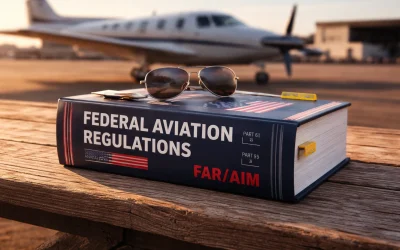
FAA Certification and Preemption in Aviation Cases
Certification Compliance and Preemption Arguments in Aviation Product Liability Litigation In aviation product liability litigation, one of the most common defenses concerns federal certification compliance. Aircraft manufacturers may contend that because a component...
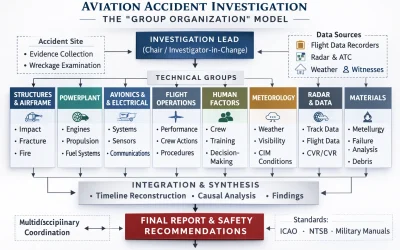
The “Group Organization” Model in Aviation Accident Investigation
Modern aviation accident investigation generally follows a structured, multidisciplinary framework. Major civil and military investigative authorities often organize complex aircraft investigations using a group-based model, in which technical specialists are assigned...

Passenger Rights After Turbulence Injuries on Commercial Flights
Understanding Your Rights: Legal Recourse for Turbulence-Injured Airline Passengers Turbulence is one of the most common hazards encountered during commercial airline flights. While most turbulence events are minor, severe turbulence can cause serious injuries to...

Ethiopian Airlines Flight 302: 737 MAX Certification and FAA Delegation
Ethiopian Airlines Flight 302, a Boeing 737 MAX 8, crashed on March 10, 2019, shortly after departure from Addis Ababa. The accident followed the October 2018 crash of Lion Air Flight 610 and led to the worldwide grounding of the 737 MAX fleet. Litigation arising from...
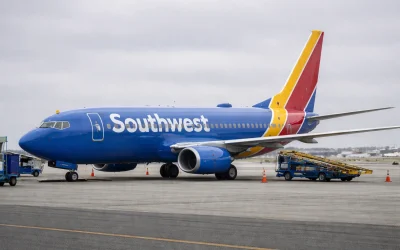
Southwest Flight 1380 – Fan Blade Failures in Turbo Fan Engines
On April 17, 2018, Southwest Airlines Flight 1380 experienced an in-flight engine failure that resulted in an emergency landing in Philadelphia and a fatal passenger injury. Early reporting and the ensuing investigation focused attention on fan blade integrity,...
Aviation Accident Litigation
- Aviation Accident Litigation
- Private and Corporate Aircraft Accident Litigation
- Military & Government Contractor Aviation Litigation
- Complex Aviation Litigation Methodology
- NTSB Investigations & Civil Aviation Claims
- Federal Preemption in Aviation Product Liability
- Defeating GARA Defenses in Aviation Product Liability Litigation
- For Families and Survivors
MICHIGAN OFFICE
Katzman Lampert & Stoll
950 West University Dr #101
Rochester, MI 48307
E-mail: Click to use our Contact Form
Toll-Free: (866) 309-6097
Phone: (248) 258-4800
Fax: (248) 258-2825
COLORADO OFFICE
Katzman Lampert & Stoll
9596 Metro Airport Ave.
Broomfield, CO 80021
E-mail: Click to use our Contact Form
Toll-Free: (866) 309-6097
Phone: (303) 465-3663
Fax: (303) 867-1565
PENNSYLVANIA OFFICE
Katzman Lampert & Stoll
121 N. Wayne Ave. # 205
Wayne, PA 19087
E-mail: Click to use our Contact Form
Toll-Free: (866) 309-6097
Phone: (610) 686-9686
Fax: (610) 686-9687